
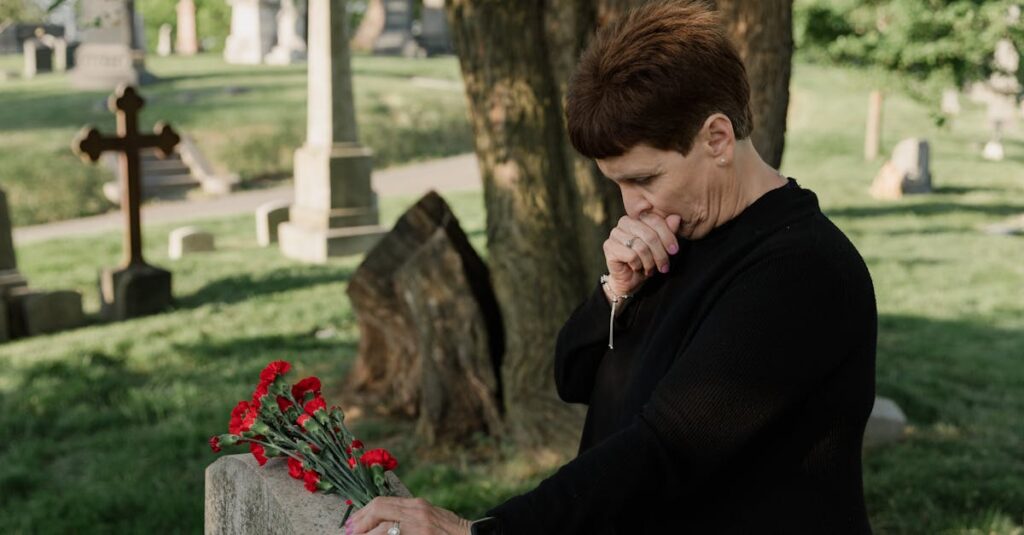
When a spouse dies, most surviving partners expect grief.
They expect paperwork.
They expect difficult decisions.
They expect loneliness.
What many do not expect is a significantly higher tax bill.
Yet every year, surviving spouses sit down to file their first tax return alone and discover something they had never heard about before: the “widow penalty.”
And by then, there is often very little that can be done to change it.
What Is the Widow Penalty?
The widow penalty refers to the financial impact many surviving spouses experience after losing the tax benefits of filing jointly.
For the first full tax year after a spouse dies, the surviving spouse generally transitions from “married filing jointly” to “single.”
Same house.
Same retirement accounts.
Same Social Security income.
But suddenly:
- the standard deduction drops dramatically,
- tax brackets tighten,
- Medicare premium surcharges can increase,
- and a larger portion of Social Security benefits may become taxable.
For many families, this creates thousands of dollars in additional taxes during one of the hardest emotional periods of their lives.
The Part Most Families Never Hear About
Most estate plans focus on:
- who receives assets,
- avoiding probate,
- trusts,
- beneficiary designations,
- and healthcare documents.
Those are all incredibly important.
But very few people are ever warned about what happens to the surviving spouse financially after everything transfers correctly.
A couple can have:
✔️ a trust
✔️ wills
✔️ powers of attorney
✔️ updated beneficiaries
…and still leave the surviving spouse facing a significantly higher tax burden.
That surprises a lot of people.
Why This Happens
One major reason is filing status.
A married couple filing jointly receives substantially different tax treatment than a single filer.
In many cases:
- income thresholds shrink,
- deductions decrease,
- and taxation on Social Security increases.
The Social Security taxation thresholds are especially important because they have not meaningfully adjusted for inflation in decades.
That means more surviving spouses are crossing into taxable territory every year.
Why Planning Matters Before a Crisis
This is why estate planning should never be “just documents.”
Good planning includes conversations about:
- future income,
- retirement account strategy,
- beneficiary structure,
- trust design,
- long-term care concerns,
- and what life realistically looks like for the surviving spouse.
The right conversation happens while both spouses are still here to make decisions together.
Not after a funeral.
Not during probate.
Not when someone is opening a tax return alone for the first time.
Estate Planning Is About More Than Asset Transfer
At Shipp Trusts, we believe estate planning should prepare families for the realities that come after loss — not just the legal transfer of property.
Because protecting your family is not only about what they inherit.
It is also about helping them avoid preventable financial surprises during one of the most difficult seasons of life.
If you and your spouse have never discussed how a surviving spouse’s financial life changes after death, now is the time to have that conversation.
Schedule a consultation at Shipp Trusts.
This article is a service of Kimberly Shipp, Attorney at Law, a Personal Family Lawyer® Firm. We don’t just draft documents; we ensure you make informed and empowered decisions about life and death, for yourself and the people you love. That’s why we offer a Life & Legacy Planning Session, during which you will get more financially organized than you’ve ever been before and make all the best choices for the people you love. You can begin by calling our office today to schedule a Life & Legacy Planning Session.
The content is sourced from Personal Family Lawyer® for use by Personal Family Lawyer firms, a source believed to be providing accurate information. This material was created for educational and informational purposes only and is not intended as ERISA, tax, legal, or investment advice. If you are seeking legal advice specific to your needs, such advice services must be obtained on your own separate from this educational material.